Rosacea on Black Skin: Signs, Triggers, and What Redness Really Means
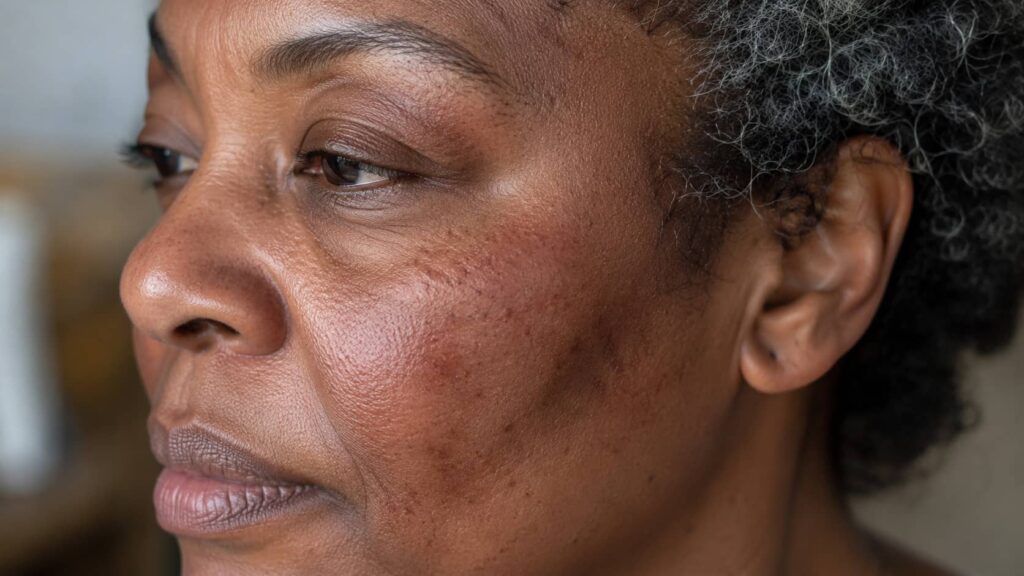
Rosacea on Black skin is often missed because the word most people associate with rosacea is redness. But on melanin rich skin, redness is not always easy to see. It may show up instead as warmth, stinging, tenderness, darker patches, bumps, rough texture, or skin that suddenly becomes reactive to products it used to tolerate.
That is why I do not look only for redness. I look for inflammation.
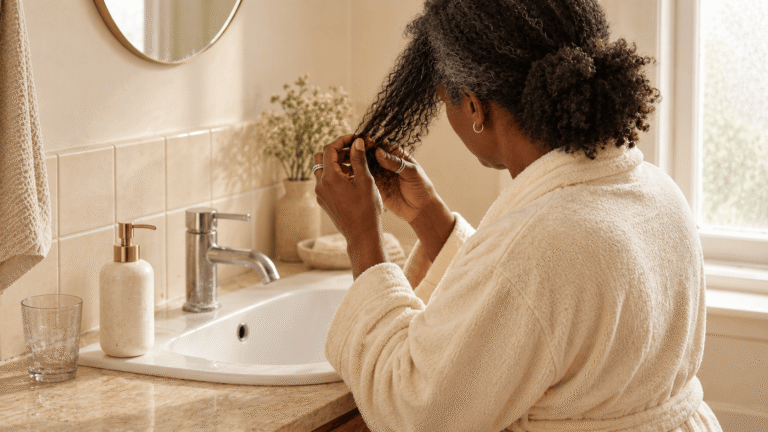
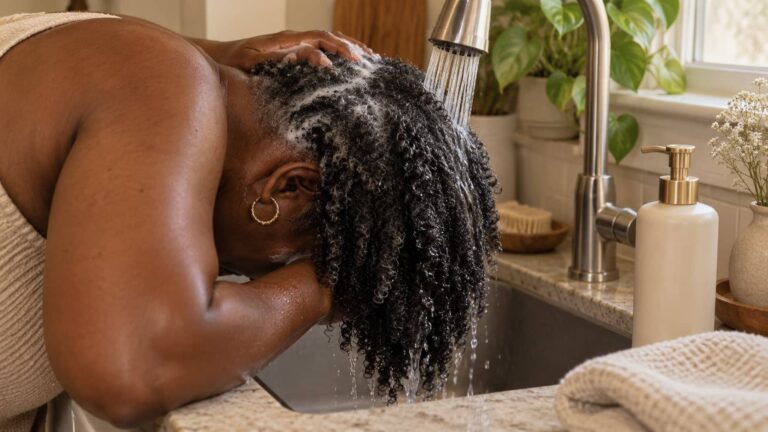
For twenty two years, I stood behind a salon chair looking at scalps before I ever thought to look closely at faces. Clients would sit down for a relaxer touch up, a treatment, a wash and set, or a routine service, and within seconds of parting the hair, I could often tell what kind of week their scalp had been having. Tightness near the hairline. Flaking at the crown. Tenderness along a parting worn the same way for years. Irritation where heat, chemicals, buildup, or tension had touched the skin again and again.
The scalp does not lie.
What I did not expect, after all those years behind the chair, was that the scalp would eventually teach me how to understand facial inflammation too. The kind that can be overlooked on darker skin. Especially the kind many women are told is “just sensitive skin” when it may actually be rosacea.
For Black women over 50, this matters. Skin changes around midlife can make the face feel hotter, drier, more reactive, and less forgiving than it used to be. When that happens, it helps to know what you are looking at, and what your skin may be trying to tell you.
Rosacea on Black Skin Is Often Missed
Rosacea is often described in very narrow terms. Fair skin. Visible flushing. Persistent redness across the cheeks and nose.
That is one version of rosacea. It is not the only one.
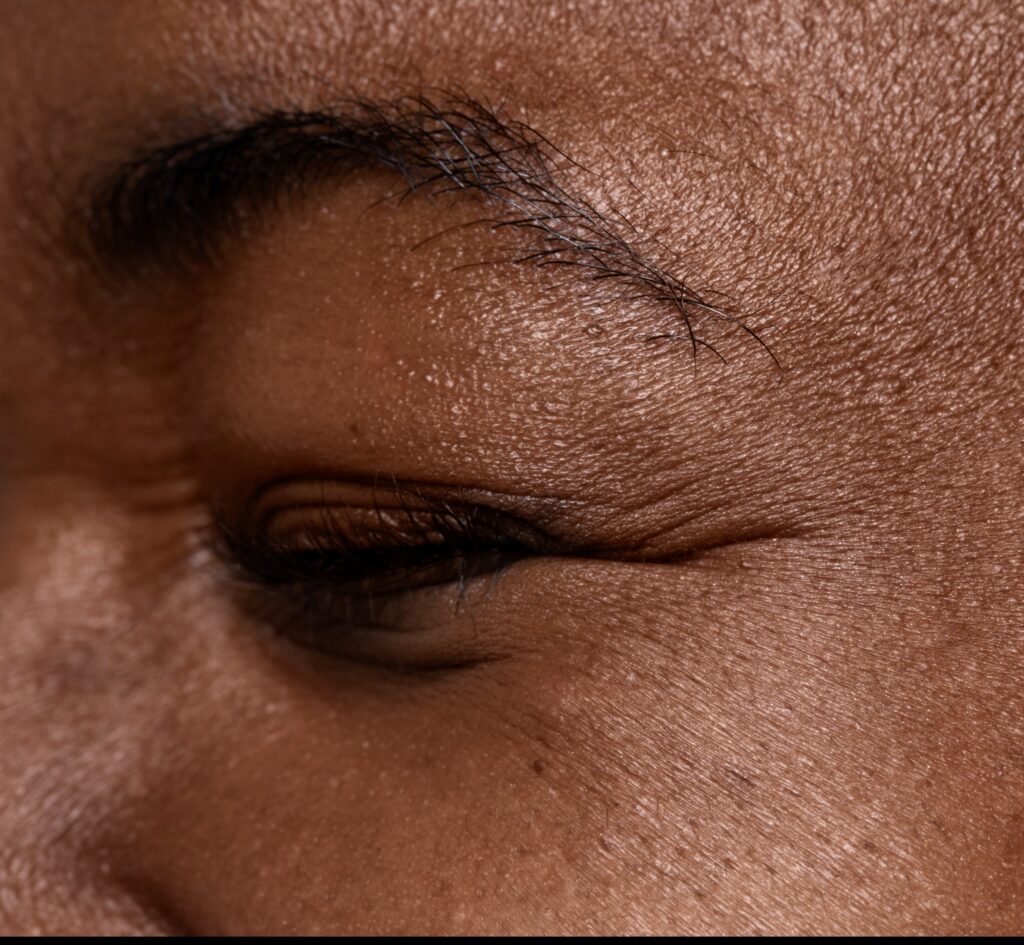
On Black skin, rosacea can be more difficult to recognise because the classic visible redness may not be obvious. Instead, a woman may notice that her face feels hot, stings when she applies products, develops acne-like bumps, looks patchy, feels rough, or seems to darken in certain areas after irritation. She may feel like her skin is “suddenly sensitive” without understanding why.
This is one reason rosacea on Black skin can go undiagnosed or be mistaken for acne, eczema, allergy, or a damaged skin barrier. The symptoms may overlap, but the skin is still communicating that something is not right.
That communication is what I learned to respect in the salon.
When a client’s scalp felt tight, sore, or reactive, I did not wait for it to become visibly angry before taking it seriously. The same mindset applies to the face. Skin does not have to look dramatic before it deserves attention.
Why Facial Redness Is Not Always Red on Dark Skin
The phrase facial redness can be useful, but on dark skin it is incomplete.
For many Black women, inflammation may not present as bright pink or obvious red. It may look more like:
– a dusky or deeper tone in one area
– warmth under the skin
– tenderness or soreness
– bumps that are not quite acne
– dryness with stinging
– rough, irritated patches
– sensitivity to products that used to be fine
This is why so many women dismiss early rosacea symptoms. If you have always been told rosacea means visible redness, you may not connect your own symptoms to that word at all.
But the skin does not care what we call it. It still reacts.
One of the most helpful things we can do, especially after 50, is broaden the way we think about inflammation on Black skin. Instead of asking only, “Is my face red?” it can be more useful to ask:
– Does my skin feel hot?
– Does it sting when I apply skincare?
– Is one area suddenly more reactive than the rest?
– Do I keep getting bumps, roughness, or discomfort in the same places?
– Has my skin become more temperamental during menopause or perimenopause?
Those questions often lead to better answers.
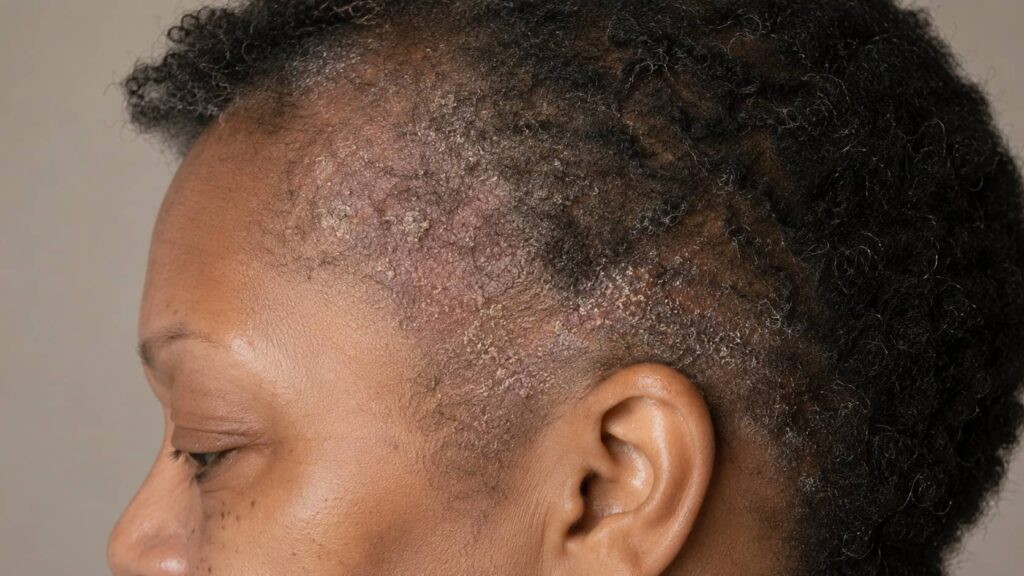
What 22 Years of Treating Scalp Inflammation Taught Me About Rosacea
Over two decades in the salon, I saw the same truth over and over again: irritation rarely arrives out of nowhere.
A scalp would not suddenly become inflamed for no reason. There was usually a story behind it. Product buildup that had not been properly removed. Heat too close to the scalp. Tension from styling. Chemical overprocessing. Friction. Repetition. A barrier that had been stressed for a while before it finally protested.
The visible irritation was not the whole problem. It was the sign that the problem had reached the surface.
Facial rosacea can work in a similar way.
A woman may think her skin suddenly “turned on her,” but when we look more closely, there is often a pattern underneath. Maybe she has added too many actives. Maybe her barrier is compromised. Maybe hot water, fragrance, stress, weather, or hormonal changes are making her skin more reactive. Maybe a product that used to feel fine no longer suits where her skin is now.
The scalp taught me to notice early signs, not just dramatic ones.
Tightness before flaking. Tenderness before obvious inflammation. Repeated trouble in the same spots. A skin barrier quietly struggling long before the client called it a problem.
That is one reason I take facial discomfort seriously, even when the mirror is not telling the full story. If your skin feels hot, tight, stinging, reactive, or easily irritated, that matters.
Rosacea and Menopause: Why Skin Can Feel Hotter and More Reactive After 50
Many women first notice skin reactivity getting worse during perimenopause or menopause.
This is not your imagination.
As hormones shift, skin can become drier, thinner, and more sensitive. Barrier function may weaken. Heat regulation may feel different. Flushing and hot sensations can become more common, especially in women dealing with hot flashes. A routine that worked beautifully at 42 can suddenly feel too strong at 52.
That is where the rosacea and menopause conversation becomes important.
Not every red or reactive face in menopause is rosacea. But menopause can absolutely make skin more easily irritated and can make rosacea symptoms feel more noticeable or harder to manage.
This is especially relevant for Black women, because menopause related skin changes are often discussed in very general language that does not reflect how symptoms appear on darker skin. A woman may not describe her problem as “redness.” She may simply say:
– My face gets hot.
– Everything suddenly stings.
– My skin gets irritated so easily now.
– This patch keeps getting darker after it flares.
– My cheeks feel sensitive even when I am using gentle products.
Those are valuable clues.
After 50, skin often needs more patience, fewer harsh inputs, and a calmer routine overall.
Rosacea Triggers That Can Make Mature Skin Flare
One of the most searched topics around rosacea is rosacea triggers, and for good reason. Triggers matter.
A trigger does not always cause rosacea by itself, but it can worsen symptoms or provoke a flare in skin that is already reactive.
Common rosacea triggers include:
heat
sun exposure
spicy foods
alcohol
emotional stress
hot drinks
strong skincare actives
fragrance
over exfoliation
harsh cleansing
extreme weather
hot showers or very warm water
For Black women over 50, I would also add a practical salon trained lens: do not forget the effect of friction and repeated contact.
Just as the same areas of the scalp would flare from repeated tension or product contact, the same areas of the face often react from repeated daily pressure. Glasses, pillowcases, face masks, touching the face, heavy products around the nose and mouth, or haircare products reaching the skin can all contribute to irritation.
If the same one or two areas keep flaring, that is worth noticing.
Patterns matter.
Damaged Skin Barrier vs Rosacea: Why the Two Can Feel Similar
This is where women often get confused.
A damaged skin barrier and rosacea can overlap in how they feel. Both can cause stinging, tightness, irritation, dryness, discomfort, and a face that suddenly seems unable to tolerate normal products.
So how do you tell the difference?
You may not be able to do that perfectly on your own, and that is okay. A dermatologist can help with diagnosis. But there are a few clues worth noticing.
A damaged barrier often shows up after overdoing something. Too many acids. Too much exfoliation. A retinoid used too aggressively. A cleanser that strips the skin. A new active introduced too quickly.
Rosacea may also flare from those same things, but it tends to have a more ongoing pattern. The skin may repeatedly flush, sting, flare, or develop bumps in response to everyday triggers like heat, stress, spicy food, or temperature changes.
The important thing is not to panic or guess wildly. It is to simplify.
When skin is inflamed, whether the root cause is rosacea, barrier damage, or both, piling on more products is rarely the best first move.
How to Calm Irritated Skin on the Face Without Overdoing It
If your skin feels inflamed, reactive, or hot, my first recommendation is usually not “buy more.” It is “pull back.”
This is the same approach that worked best with irritated scalps.
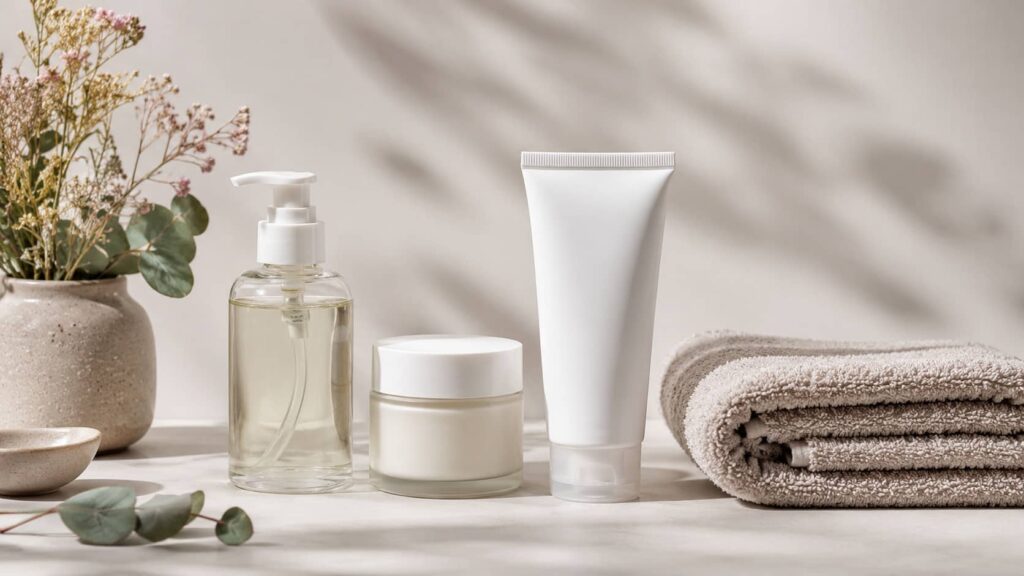
When the skin barrier is stressed, it often needs less interference, not more. That means:
– use a gentle cleanser
– avoid scrubbing
– keep water lukewarm, not hot
– pause strong exfoliants for a while
– go easy on acids and retinoids until the skin settles
– moisturise with barrier-supportive products
– wear sunscreen daily
– pay attention to what makes the skin sting, heat up, or flare
If your skin is reactive, the goal is not to force it into submission. The goal is to calm it down enough to function properly again.
That may sound simple, but it is often the difference between skin that recovers and skin that stays stuck in a cycle of irritation.
When to See a Dermatologist for Rosacea on Black Skin
Because rosacea on Black skin can be harder to recognise, it is worth getting professional help if symptoms are ongoing or confusing.
Please see a dermatologist if you have:
– persistent facial irritation
– acne-like bumps that do not respond to usual acne care
– burning or stinging that keeps returning
– hot, reactive skin that seems to flare often
– skin changes that are painful, spreading, or becoming more severe
– dark marks left behind after repeated facial inflammation
This is especially important if you have been treating your skin as acne, allergy, or “just sensitivity” and it is not improving.
A proper diagnosis matters.
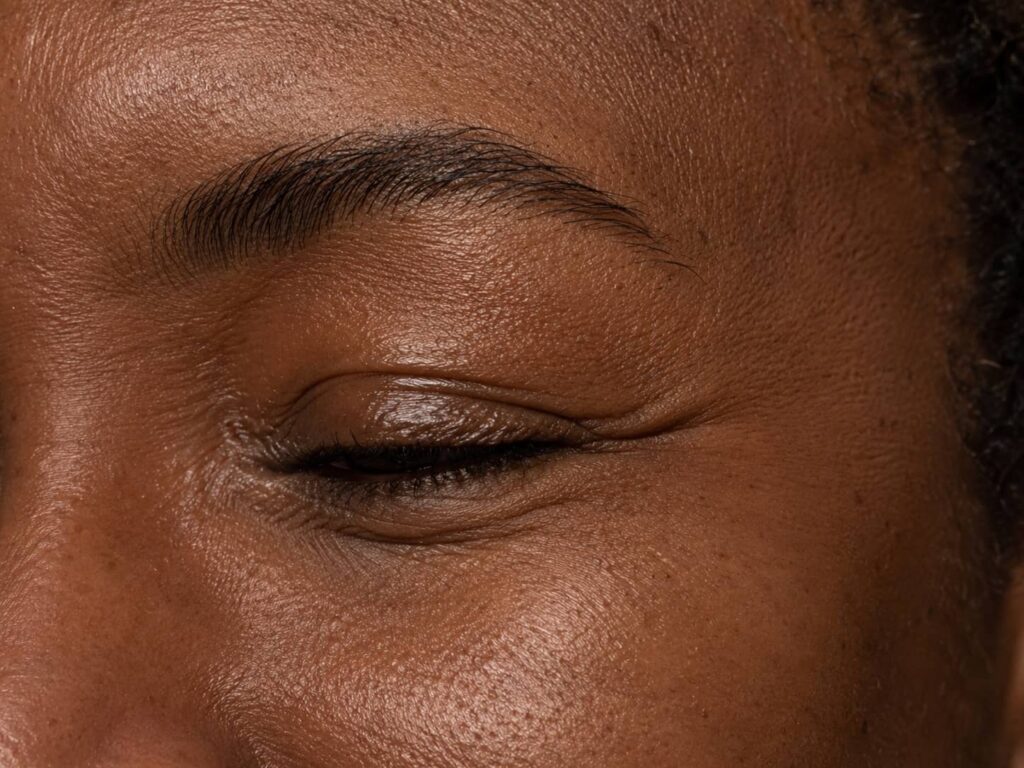
And while home care can support calmer skin, it should not replace medical evaluation when symptoms are persistent.
The Real Lesson
Twenty two years of looking closely at inflamed scalps taught me something I still carry into skincare now.
Skin tells the truth.
It tells the truth before it flakes badly. Before it becomes visibly angry. Before it reaches a point where you can no longer ignore it. It whispers first. Tightness. Tenderness. Heat. Sensitivity. Recurring flare ups in the same places.
The scalp taught me to respect those whispers.
Now, when I think about rosacea on Black skin, I bring that same lesson with me. Do not wait for your face to look obviously red before you take it seriously. On melanin-rich skin, inflammation may not look the way you expect. But it still deserves attention.
Facial redness is only part of the story.
The deeper story is inflammation, sensitivity, and a skin barrier asking for help.
And once you know how to listen, the skin often tells you more than you think.
FAQ
Can Black skin get rosacea?
Yes. Black skin can absolutely get rosacea, but it may be harder to recognise because visible redness is not always obvious on darker skin tones.
What does rosacea look like on Black skin?
Rosacea on Black skin may show up as warmth, tenderness, stinging, bumps, roughness, dryness, or darker irritated patches rather than obvious bright redness.
Can menopause make rosacea worse?
Menopause can make skin drier, more reactive, and more sensitive, which may make rosacea symptoms feel more noticeable or harder to manage.
Is rosacea the same as hyperpigmentation?
No. Rosacea is an inflammatory skin condition. Hyperpigmentation is excess pigment or darkening. However, inflammation can sometimes leave behind darker marks on melanin-rich skin.
Can you get rid of rosacea permanently?
Rosacea is usually managed rather than permanently cured. The best approach is identifying triggers, simplifying your routine, supporting the barrier, and getting professional advice when needed.